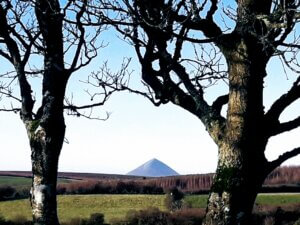
If you’re planning a trip along the Wild Atlantic Way, these six County Mayo tourist attractions offer a fascinating journey through 6,000 years of history, heritage, and culture.
This post contains affiliate links and I may earn compensation when you click on the links at no additional cost to you.
Located along the scenic Route Millennia in North Mayo, each attraction highlights a different chapter of Ireland’s story, from Neolithic farming communities to 19th‑century land reform and the political movements that shaped modern Ireland.

Here is a closer look at each of the County Mayo tourist attractions worth visiting.
1. National Museum of Ireland, Country Life

Here you can explore the kinds of crafts and skills that are no longer part of everyday Ireland, as well as the farming and fishing practices that were common years ago.
The museum also covers the ancient customs, festivals, and other celebrations that people in Ireland practiced in their homes many years ago.
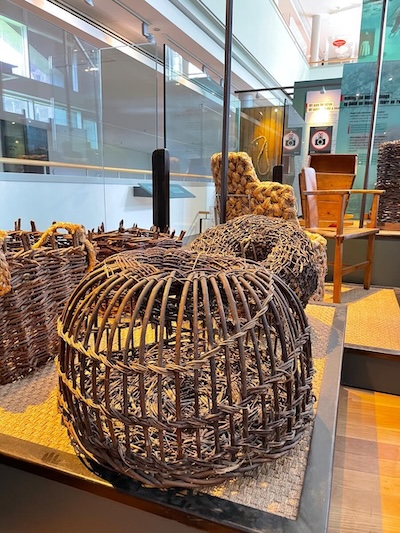
Rather than simply displaying artifacts, the exhibitions bring rural Ireland to life.
Highlights include The Times: Rural Ireland 1850–1950, which explores how communities responded to political and social change, and Hearth and Home, offering insight into daily life inside traditional Irish houses.
You can also learn about hand-crafted tools and trades, the evolution of cycling in the countryside, Ireland’s natural environment in the 19th century, antique veterinary objects used in Ireland down through the years, and so much more.
There’s truly a wealth of information on Ireland in this fantastic museum, which is free. This is a worthwhile stop to make along the Route Millennia.
The museum is open Tuesday through Saturday from 10 a.m. to 5 p.m., and on Sundays and Mondays from 1 p.m. to 5 p.m.


2. The Céide Fields, Ballycastle
The Céide Fields in Ballycastle is one of the most remarkable archaeological sites in Ireland.
The extensive Neolithic site contains the oldest known field systems in the world, dating back nearly 6,000 years.
Beneath the blanket bog lies a carefully planned farming landscape created by some of Ireland’s earliest settlers that reveal stone walls, field boundaries, and the homes that were lived in.
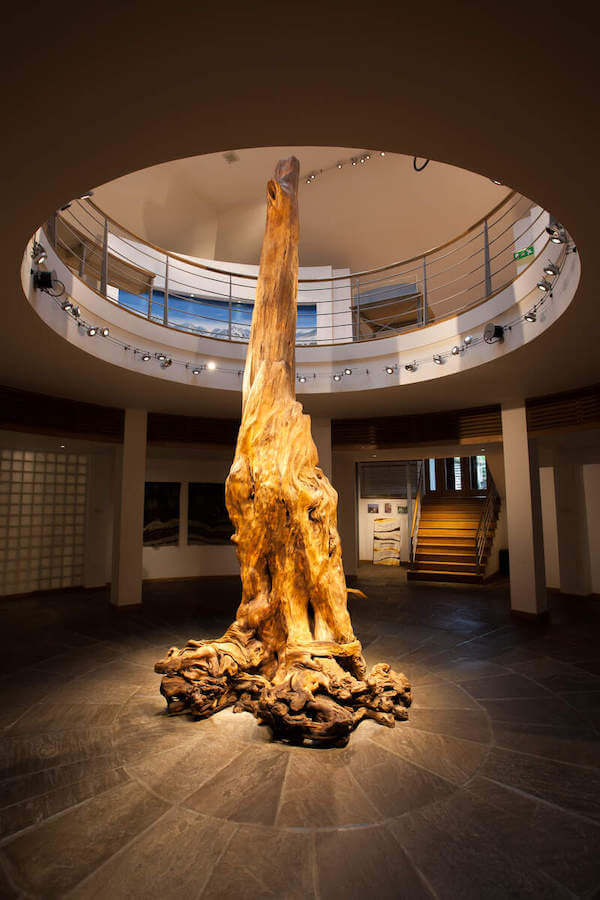
One of its most striking features greets you at the entrance, which is a huge piece of bog oak, part of a 4,000-year-old pine tree uncovered from the surrounding bogland.
3. The Michael Davitt Museum, Straide
The Michael Davitt Museum in Straide is a must-visit for anyone interested in 19th‑century Ireland, particularly the country’s struggle for land reform.
Dedicated to the life and legacy of Michael Davitt, one of the founders of the Irish Land League, the museum offers a compelling look at the social and political changes that reshaped rural Ireland.
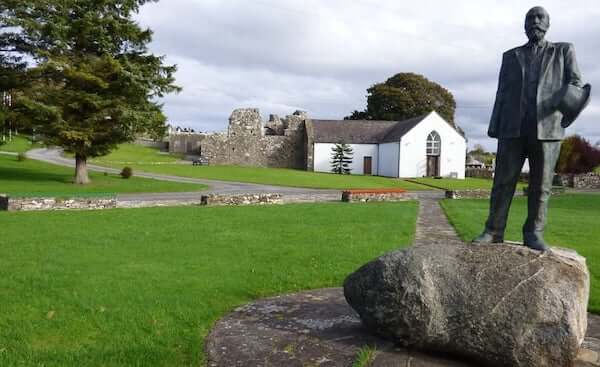
Inside, you’ll find an extensive collection of artifacts connected to Davitt’s life and work, including photographs, personal letters, documents relating to Ireland’s Land Acts, political posters, postcards, and even Davitt’s rosary beads.
The museum is open from 10:30 a.m. to 5:30 p.m., March through September, and from 9:30 a.m. to 4:30 p.m., October through February. Admission is €8 for adults, €3 for children and €20 for a family ticket (2 adults and 3 children).
As an added bonus, your ticket includes a complimentary pass to the Céide Fields Visitor Centre, making it easy to combine both stops on your Route Millennia journey.

4. The Foxford Woollen Mills
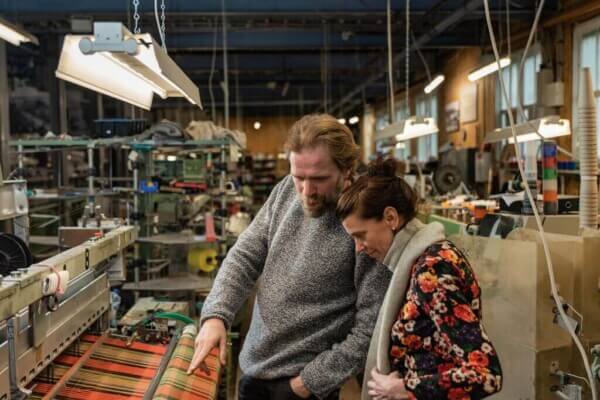
Today, Foxford Woollen Mills is a thriving Irish brand known for its beautifully crafted blankets, throws, scarves, clothing, and other high‑quality woolen goods.

However, its story began in the mid‑1800s, when Sister Agnes Morrogh‑Bernard of the Sisters of Charity founded the mill in the poverty‑stricken town of Foxford, determined to create employment and opportunity for the local community.
Visitors can learn about the mill’s history and the vision behind its founding, as well as the traditional weaving techniques that have been passed down through generations.
For information about tours or visitor access, it’s best to contact the mill directly at [email protected].
Choose from a selection of Foxford Woollen Merchandise at the Irish Store
5. Belleek Visitor Centre, Belleek Castle
Belleek Castle, a striking Gothic Revival mansion in the heart of Ballina, was constructed between 1825 and 1831.
Originally built by the Knox‑Gore family, the castle remains one of North Mayo’s most distinctive historic landmarks.
On a castle tour, visitors can learn about the building’s history and its former owners, as well as the careful restoration that preserved its character. The castle’s story reflects both 19th‑century Anglo‑Irish architecture and the history of the region.
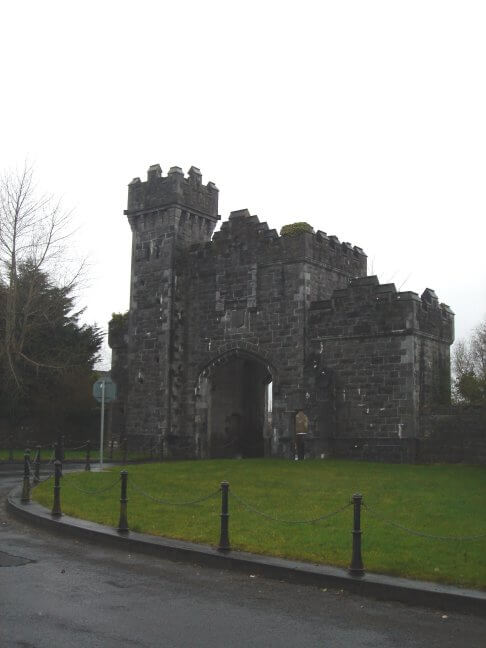
Inside, the castle there’s a remarkable private collection assembled by Marshall Doran, who restored the building in the 1960s.
His collection of Jurassic fossils, medieval weapons, and suits of armor is considered one of the finest of its kind in Ireland.
Among the more unusual highlights is a four‑poster bed said to have belonged to Grace O’Malley, the legendary 16th‑century “Pirate Queen.”
Advance booking is required.
6. Jackie Clarke Collection, Ballina
The Jackie Clarke Collection in Ballina offers a remarkable opportunity to explore Ireland’s political and cultural history through the eyes of one passionate collector, a Ballina native named Jackie Clarke.
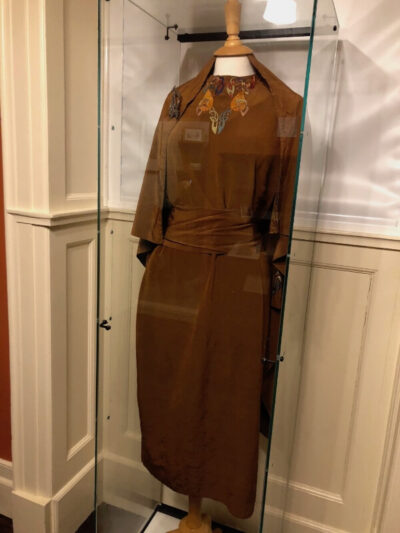
Among the treasures in this fabulous Ballina attraction are rare books, historic proclamations, political cartoons, pamphlets, posters, and personal items connected to the leaders of the 1916 Rising.
Together, they provide an intimate and powerful perspective on the events that shaped modern Ireland.
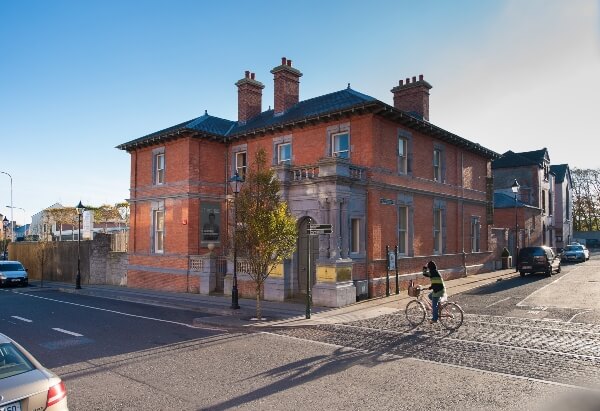
The collection is housed in the beautifully restored former Provincial Bank Building in the town center. Built in 1881 and designed by renowned Victorian architect Thomas Manly Deane — who also designed the National Museum in Dublin — the building itself is part of the experience.
The Jackie Clarke Collection is open Tuesday through Saturday from 10 a.m. to 5 p.m. Admission is free, though donations are welcome.
Special tours can be arranged in advance by emailing [email protected].
Planning Your Visit to These Six County Mayo Tourist Attractions
Because these six County Mayo tourist attractions are located along North Mayo’s Route Millennia, they are best explored by rental car.
The scenic drive links Castlebar, Ballycastle, Straide, Foxford, and Ballina, making it easy to visit multiple sites over one or two days.
What is the Best Base for this Journey?
Either Ballina or Castlebar make for excellent bases, offering a range of accommodation, restaurants, and easy access to the route.

In Ballina, I would suggest staying at Belleek Castle, mentioned above. There’s a lovely trail on the property, which leads you to the edge of the nearby Moy. Watch out for the old ice house used by the family who owned the castle at one time.
There are plenty of restaurants to choose from in Ballina, but I would recommend a newcomer to the town, Daniels.
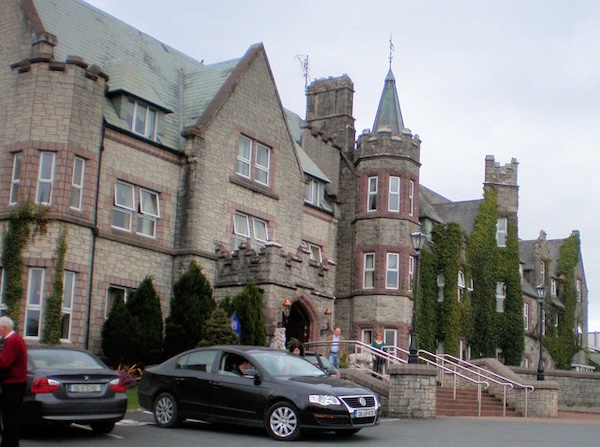
In Castlebar, I would recommend you stay at The Ellison Hotel in town or if you’re looking for a more pampered experience, The Breaffy House Hotel & Spa is great.
How Much Time to Allow
- 1 full day if you move at a steady pace
- 2 days if you prefer a relaxed visit with time for coastal walks and café stops
Who Might This Journey be Ideal For
- History lovers
- Heritage travelers
- Scenic road trip enthusiasts
- Anyone interested in Ireland beyond the usual tourist trail
Best time to Visit
Spring through early autumn offers longer daylight hours, making it easier to enjoy both indoor museums and outdoor sites like The Céide Fields. However, several of the attractions mentioned here make excellent rainy‑day options year‑round.

Before setting out, however, it’s always wise to check opening hours in advance, particularly during the off‑season.
Let me know if you’ve visited any of these attractions in the past or if you plan on doing so while you’re in Ireland.