
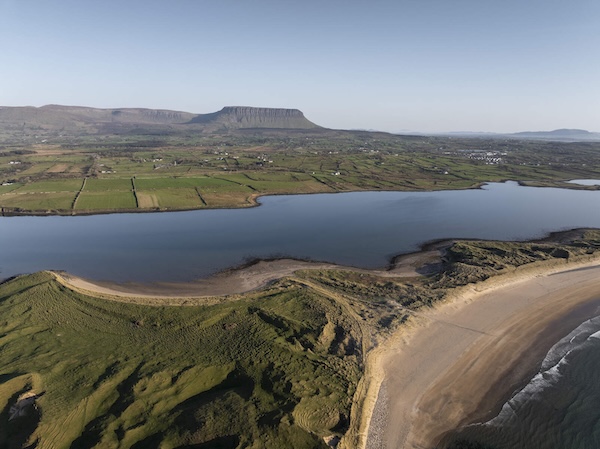
If you’re planning a trip along Ireland’s Wild Atlantic Way, visiting Sligo should be high on your list.
Tucked into the northwest corner of Ireland, County Sligo combines dramatic mountain scenery, windswept Atlantic beaches, ancient stone circles, and deep literary heritage, all without the crowds experienced in Ireland’s more famous destinations.
This post contains affiliate links and I may earn compensation when you click on the links at no additional cost to you.
Often called Yeats Country, Sligo has a lot going for it.
You can hike to the summit of Knocknarea, stand beneath the imposing cliffs of Benbulben, explore one of Ireland’s largest megalithic cemeteries, and end the day listening to traditional music in the heart of Sligo town.
Whether you’re planning a scenic Sligo road trip or looking for the best things to do in County Sligo, this guide covers everything you need to know, from Sligo town and Strandhill to hidden coastal drives and lesser‑known gems.
Travel Update (2026):
Opening times, admission prices, and tour availability in Sligo can change seasonally. I recommend checking official websites before your visit, especially outside peak summer months.
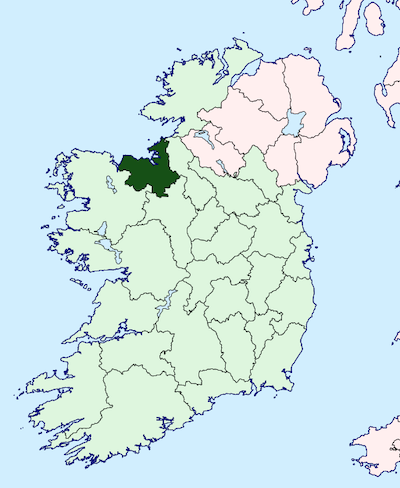
Quick Snapshot: Visiting Sligo
- Best For: Scenic drives, literary history, surfing, archaeology
- Ideal Stay: 2–3 days
- Budget Level: Moderate (many free attractions)
- Best Time: May–September
- Car Needed? Yes (outside town)
Is Sligo Worth Visiting?
If you’re wondering if County Sligo is worth visiting, the short answer is yes, especially if you’re looking for a more authentic and less crowded vacation experience that could also be kinder to your wallet.
County Sligo delivers the dramatic landscapes many travelers associate with Ireland, but without many of the large tour buses that you’ll encounter in places like Cork, Dublin, Galway, Kerry or Clare.
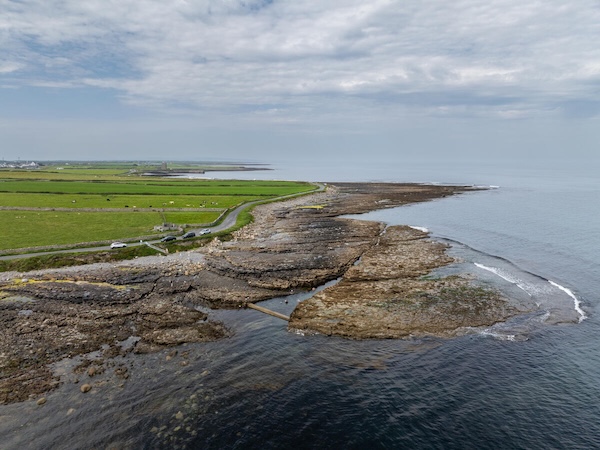
If you’re looking for windswept Atlantic beaches, Sligo has its fair share of those. Because of its small size, the mountains are never far away and that’s a huge bonus for outdoor lovers.
So, whether you’re a fan of Yeats or just fond of Irish literature in general, or you want to try your hand at surfing, relax in an old-fashioned seaweed bath (Enniscrone is the place for that), catch a great Irish trad session in a place that is dedicated to the master of Sligo fiddling, or see centuries’ old Neolithic sites that are just as important as others around Ireland, why not add Sligo to your Ireland vacation itinerary?
Sligo is also great value given the number of free attractions around the county, most of which are mentioned in this article.
How Many Days Do You Need in Sligo?
How long you spend exploring Sligo depends on your travel style and how many days of vacation time you have. However, most visitors find that 2 to 3 days in Sligo is ideal since it provides the perfect balance between sightseeing, outdoor adventure, and relaxation.
With two days, you can comfortably explore Sligo town and the Strandhill area, including the climb to Knocknarea and the Carrowmore Megalithic Cemetery, which is close by. You might even have time to explore parts of North Sligo, such as Yeats’s grave site north of the town.
With three days you could explore the town, take a coastal drive around North Sligo and then on another day, visit the southern and western parts of the county.
If you have more time to spend in Sligo, check out my 7-day Sligo activity guide.
Getting to Sligo
Sligo is easily accessible from across Ireland:
- About 2½ hours from Dublin via the N4
- Around 2½ hours from Shannon Airport
- Roughly 3 hours from Belfast
Regular buses and trains also run to Sligo town from major cities.
Once there, a car is ideal for exploring the wider county, though Sligo town itself is very walkable.
There are also buses and trains arriving in Sligo each day. Check out Transport for Ireland for the daily bus and train services to Sligo.
If you have more time to spend in Sligo, you might want to read my 7-day Sligo activity guide.
Hidden Gems and Lesser-Known Places to Visit in Sligo
If you’ve visited before or you’re planning your first trip, here are a few additional places and experiences worth adding to your itinerary in 2026.
Rosses Point
Often overlooked in favor of Strandhill, Rosses Point deserves its own stop.
Just a short drive from Sligo town, this scenic peninsula offers stunning views of Benbulben, a peaceful coastal walk, access to boat trips to Coney Island (more on that further down in the article), access to one of Ireland’s oldest golf clubs, and several lighthouses, including The Metal Man Lighthouse, the Oyster Island Lighthouse and the Lower Rosses Lighthouse.

Don’t miss the Waiting on Shore monument near the local lifeboat station that depicts a woman holding her arms out to sea in memory of those drowned over the years.
Hazelwood Forest Walk

Just minutes from Sligo town, Hazelwood Forest has easy woodland walks along the shores of Lough Gill. This is a perfect option for families as well as older visitors looking for a gentler walk.
Aughris Head Coastal Walk
If you’re exploring South Sligo, consider adding the Aughris Head loop walk to your itinerary and stop at the popular Beach Bar afterward. It’s less crowded than Strandhill or Mullaghmore but equally as scenic.
Killaspugbrone Church (Near Strandhill)
Just outside Strandhill lies the atmospheric ruins of Killaspugbrone Church, dating back to medieval times. Set against the backdrop of Knocknarea and the Atlantic Ocean, it’s a quiet, photogenic stop that many visitors miss.

It’s especially beautiful at sunset.
You’ll find directions from Strandhill here.
The Growing Food Scene in Strandhill and Sligo Town
In recent years, Strandhill has grown into a vibrant food destination, with specialty coffee shops, bakeries, and casual dining spots complementing its surf culture vibe.
In addition, Sligo town continues to expand its culinary offerings as well, with more emphasis on locally sourced ingredients, seasonal menus, artisan food producers and craft beer and small-batch spirits (Hawk’s Rock Distillery – not offering visitor tours at the moment).

The White Hag Brewing Company, based in Ballymote, is the main provider of IPAs in the county. Their brands include Little Fawn, Atlantean, Phantom, and Oscar, among others. The company offers several tours for visitors, including a Brewery Tour and Tasting Experience.
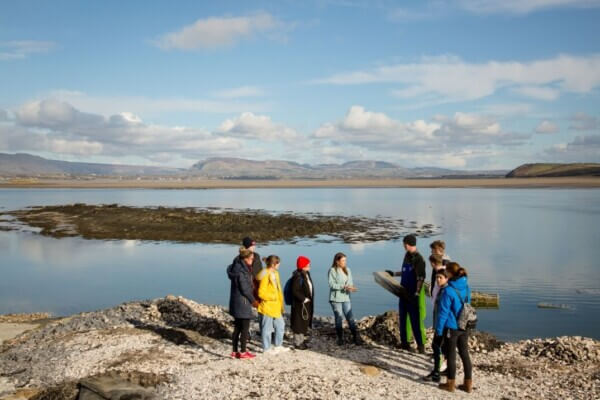
Oyster lovers can avail of a special tour focused on the farming of oysters that are native to Sligo, with Aisling Kelly-Hunter, the owner of WB’s Coffee House in Sligo.
If you’re in the town in July, you won’t want to miss the Taste of Sligo Food Festival.
If food is important to you, you’ll find a list of food tours in Sligo and other cities on the island of Ireland on this website.
Sligo Town’s Attractions
To get a real feel for Sligo town, I suggest that you take an official free walking tour of the town offered by the Sligo Tourist Development Association Ltd.

From July through September, tours are offered Wednesday through Saturday at 3 p.m. You can join the tour at the Tourist Information Office on O’Connell Street.
The walk is approximately 4.5 kilometers (2.79 miles) and will take you to the town’s most significant historical sites.
Places of interest include the Cathedral of the Immaculate Conception, which opened in 1874 and contains 69 stained-glass windows, as well as St. John the Baptist Church, the Church of Ireland cathedral, where Yeats’ parents were married.
If you miss the official tour, you can pick up a copy of the brochure, “A Signposted Walking Tour of Sligo City,” which is really easy to follow.
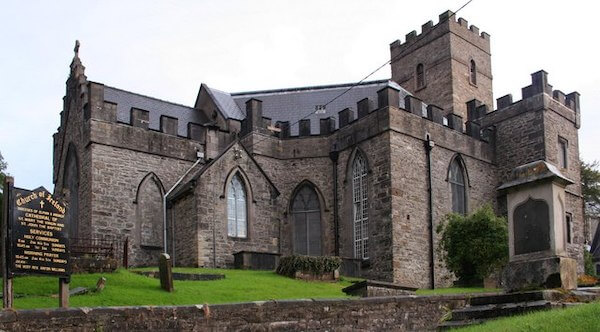
In the nearby churchyard, you’ll come across the burial site of Charlotte Mathilda Blake Thornley, the mother of Bram Stoker, the author of “Dracula.”
Stoker got the inspiration for Dracula after hearing his mother tell stories about the time she lived in Sligo during the cholera epidemic of 1832.
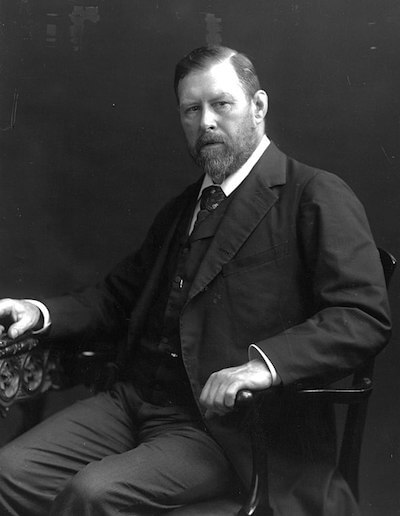
The story goes that coffin makers were knocking on the doors of Sligo residents during the night looking for the dead and those who were thought to be buried alive.
The outbreak caused more deaths in Sligo than anywhere else in Ireland.
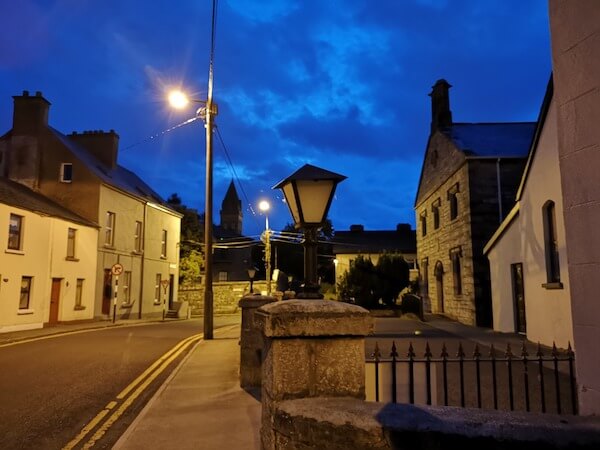
Another alternative is to take the Sligo Dark Tales Tour with Sligo Walking Tours.
Whatever you choose, there are lots of interesting things to see in Sligo town.
Sligo Abbey
Perhaps the most well-known of Sligo attractions is The Abbey, the only medieval structure still standing in the town.
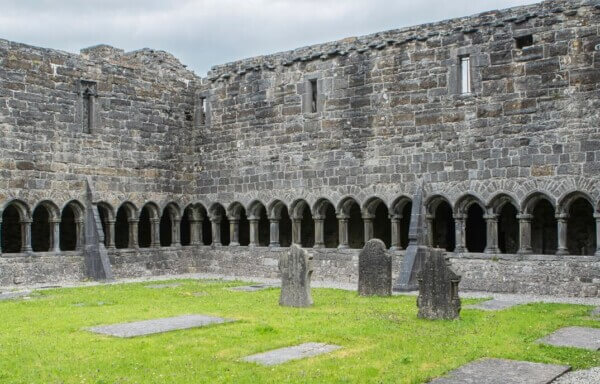
It is a burial place of kings and princes, including the King of Briefne, who died in 1418, and successive chiefs of the ruling O’Conor clan.
Pricing/Opening Times:
- Adult: €5
- Senior: €4
- Child: €3
- Family: €13
- Season: March–December
The Yeats Memorial Building
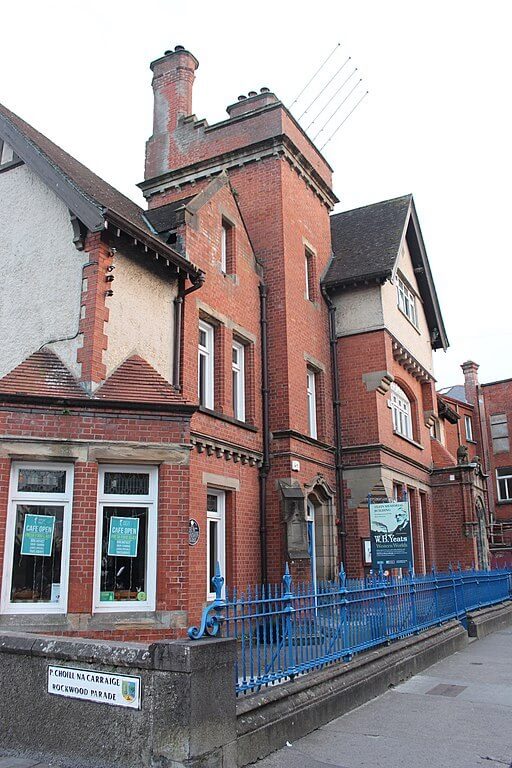
While visiting Sligo, you’ll discover the Yeats Memorial Building, which is in memory of the poet, William Butler Yeats, and is the headquarters of The Yeats International Summer School
Each year, the school invites students and professors from around the world to immerse themselves in a cultural and literary experience based on Yeats’s work.
Pricing/Opening Times:
- Adult: €6
- Tea/Coffee: additional €2 per person
- Live Music by local harpist or fiddler: €5
- Season: May-end of September
- Exhibitions: The Poetic Mind of WB Yeats: Wednesday-Saturday, 11 a.m. – 3 p.m. and the Hyde Bridge Gallery: Tuesday-Saturday, 10 a.m. – 4 p.m.

The Sligo County Museum
The Sligo County Museum houses a wonderful collection of exhibits that illustrate Sligo’s rich stone-age history, including a cask that contains bog butter, which was routinely stored in bogs across Ireland, sometimes thousands of years ago.

This small museum’s Yeats Room is full of manuscripts, photographs, letters and newspaper cuttings associated with Yeats, including a copy of his 1923 Nobel Prize-winning medal and a complete collection of his poems from 1889 to 1936.
Paintings by Irish artists George Russell, Sean Keating and Jack. B. Yeats, brother of Yeats, are also part of the museum’s collection, in addition to a display of artifacts and memorabilia associated with Countess Constance Markievicz, who had an active role in the Easter Rising of 1916, along with information on her sister Eva Gore-Booth.
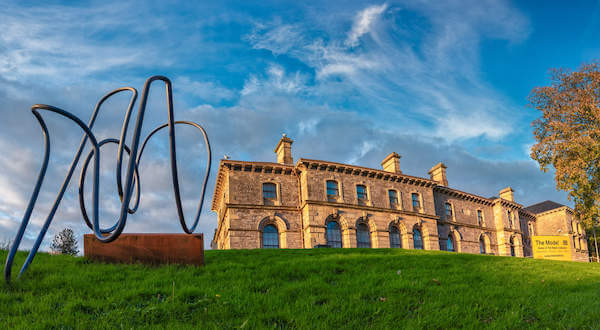
If you’re interested in seeing Irish art, including the works of Jack B. Yeats, you won’t want to miss The Model, which was built in 1862. Admission is free. You’ll find opening times here.
Where to Eat in Sligo Town
If you’re looking to quench your thirst and have a bite to eat at the same time, you can’t beat the old-style Hargadon Bros. pub.
The building has been in Sligo since 1864.
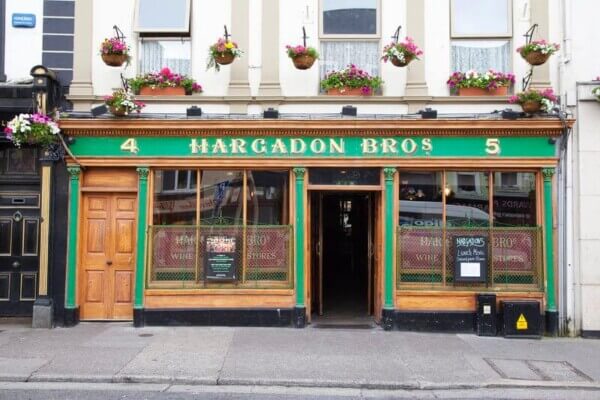
Originally a grocery store that sold beer, wine, and spirits, today Hargadon Bros is a popular spot for a pint and the chance to enjoy a traditional Irish music session.
This place has all the markings of an old Irish pub. You’ll feel as if you stepped back in time as you sit among the snugs, antique signage, and memorabilia from a bygone age.
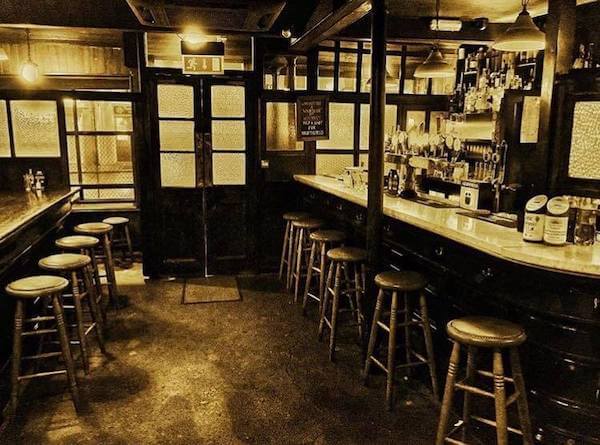
It’s particularly comfy during the winter months. Try to get a seat near the roaring turf fire.
Much of the food at Hargadon Bros is sourced from local providers, including its beef, lamb pork, and fish. The pub/restaurant is known for making it to the Michelin Guide in 2021, gaining entry to its “Eating Out in Pubs” section.
Opening Hours:
- Tuesday–Saturday: 12 p.m. til closing; reservations are preferred.
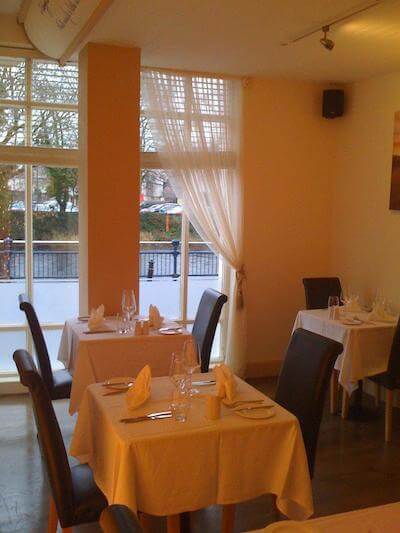
Another restaurant in town that prides itself on providing locally sourced food is the award-winning Eala Bhán (pronounced “Aila Wan”).
Lots to choose from its varied menus, including a A Pre-Theatre Dinner Menu, which is available between 5 and 6:20 p.m. and a tasting menu priced at €95 per person.
Other great eats in Sligo town include Lyons Cafe, part of the Lyons department store, an institution in Sligo since 1878.
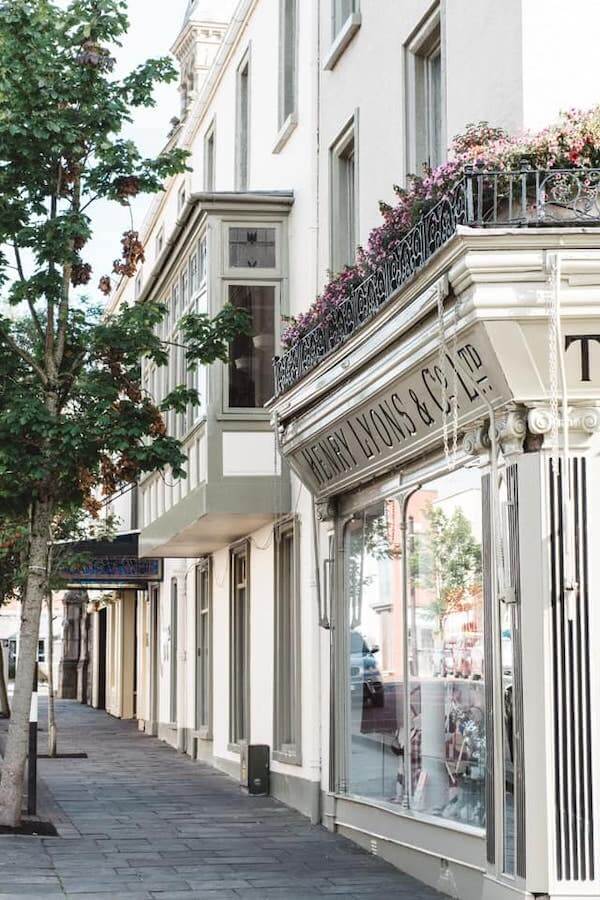
Chef Gary Staffords cooks up an assortment of delicious meals. He has also written a number of cookbooks that include some of the restaurant’s favorite meals.
If you’re hanging around ‘til dinnertime, consider Montmartre, which serves up French food with style. The restaurant offers a number of set menus.
Opening Hours:
Tuesday-Saturday: 5 p.m. – 11 p.m.
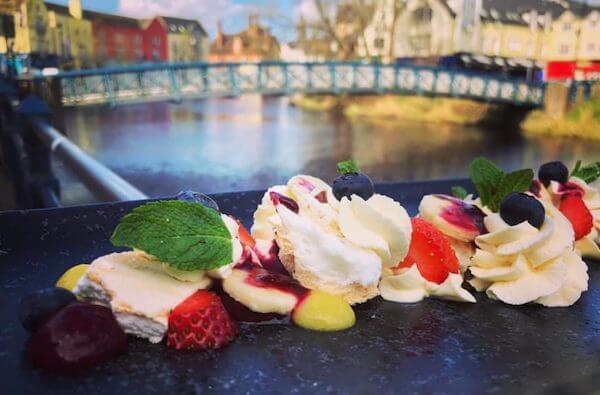
If you want to experience all that Sligo has to offer in terms of food, local restauranteur Anthony Gray offers a 2.5-hour food tour that will take you to some of the town’s most innovative restaurants.
Tours are €89 per person and they must be booked in advance.
North of Sligo
Benbulben
Sligo’s table mountain, Benbulben, towers over the town. It is part of the Dartry Mountain range and stands at 526 meters (about 1,700 feet) above sea level. Its unusual shape was most likely formed after the last Ice Age.
Do not attempt this hike without a guide. It is more difficult than Knocknarea, Sligo’s other popular mountain for hikers.
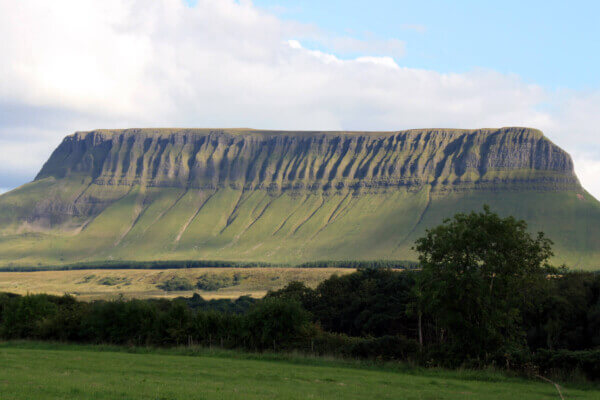
High Hopes Hiking offers a popular walk that is about 4 to 5 hours round-trip. Northwest Adventure Tours also offers a similar guided hike.
Along the way, your guide will show you the unusual plants that are only found in this area of Ireland, remnants of the Ice Age. They include the fringed sandwort and the tea leaf willow.
Start Your Free Trial of AllTrails
Yeats’s Final Resting Place in Sligo: Drumcliff
While visiting Sligo, be sure to stop at Drumcliff, the burial place of Yeats.
Take the N15 toward Bundoran to get to the site, which is free to visit. The church in Drumcliff is called St. Columba’s Church, a parish church belonging to The Church of Ireland, where Yeats’ great-grandfather was once a rector.
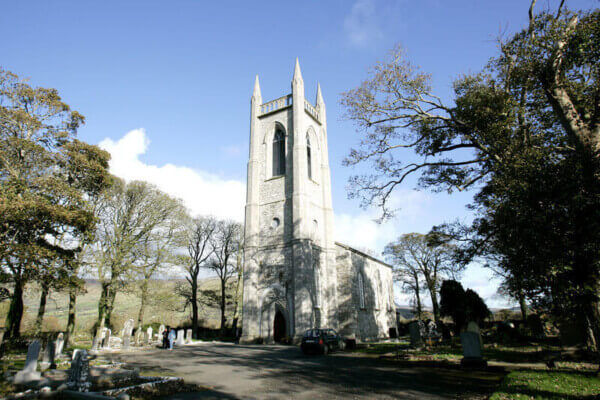
Before he died, Yeats asked to be buried there. The tombstone is the main attraction, with a round tower and a high cross nearby. The words inscribed on the stone are from his poem, “Under Ben Bulben.”


Lissadell House and Gardens
An 11-minute drive will take you to a delightful place called Lissadell House, the former home of the Gore-Booth family, including the revolutionary nationalist Constance Gore-Booth (otherwise known as Countess Markievicz).
The grand mansion is now privately owned by Dublin couple Edward Walsh and Constance Cassidy, who have lovingly restored it over the past few years.

Open to tourists in June, July and August only (Wednesdays through Sundays), the house is a Greek Revival-style structure that was built between 1830 and 1835.
It was the last one of its style to be built in Ireland.
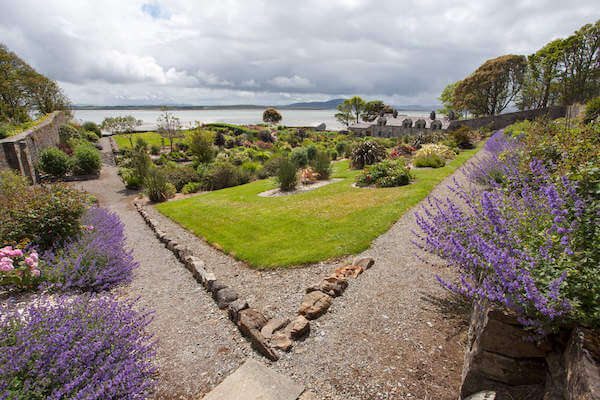
It is located in a beautiful area of Sligo, on the shores of Drumcliff Bay.
Guided tours of the house are 45 minutes long. They include access to the billiard room, the gallery, the anteroom, the drawing-room, and the dining room.
The tour also includes the servants’ quarters downstairs.
Pricing/Opening Times
- Adult: €16
- Seniors/Students: €14
- Children aged 5+: €8
- Family: €40 (2 adults, 2 children)
- Exhibitions: The Yeats Gallery; Women’s Suffrage: 100 Years of Achievement?; Countess Markievic: Her Life; The 1916 Gallery, and The Voice of a Nation.
The €16 admission includes the guided house tour, the exhibitions, the Alpine & Victorian Gardens, and the Woodland Walks. Tickets can also be bought for the grounds and exhibitions only.
Spanish Armada Shipwreck at Streedagh Beach
There are many walks to take while visiting Sligo, too many to mention in this blog post.
However, if you’re looking for a walking tour that combines some neat nuggets of history, you’ll find it in the Spanish Armada Trail, a guided two-hour walk along the Wild Atlantic Way at Streedagh Beach, a 14-minute drive from Lissadell.

The tour, provided by local company Sea Trails, will give you the history of the ill-fated Spanish Armada that crashed along the Sligo shore in 1588.
Twenty-five ships were wrecked off Ireland’s coast. Three of them ended up at Streedagh.
Pricing (Sea Trails Coastal Tour)
- Adults: €25
- Children: €10 per child (up to 16 years).

The minimum number of people on a tour is 4 or payment for the equivalent if the total number in the tour is less than 4.
The price of other tours can be found on the Sea Trails website.
If you’re in Sligo in September, be sure to check out the Spanish Armada Heritage & Cultural Festival.
Mullaghmore
Mullaghmore is about 8 miles/12 km from Streedagh and a good stopping-off point while visiting Sligo. It is a pretty fishing village that is well worth a visit.
The main attraction is Classiebawn Castle, the former summer home of the British royal family.
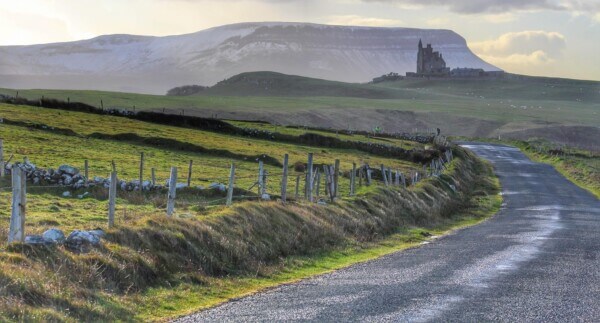
While Classiebawn is closed to the public, its presence is definitely felt as it sets the tone for the region. Many a photographer has captured the building, which was constructed in the late 19th century.
During the 1960s and into the 1970s, the house was occupied by Louis Mountbatten, uncle to Prince Philip. He was killed by the IRA while boating off the coast of Mullaghmore.
If you’re looking for some refreshments during your stop-off at Mullaghmore, the award-winning Eithna’s By the Sea is a good choice.
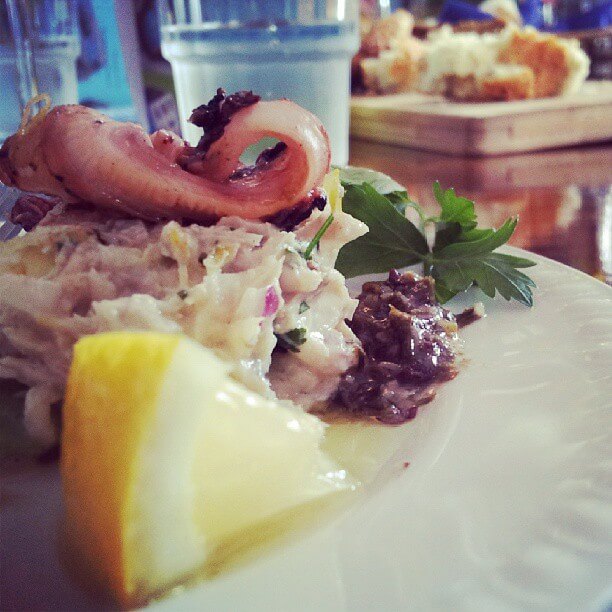
If it’s nice outside, you can dine alfresco and try the restaurant’s specialty seafood dishes.
The restaurant’s main courses are between €22 and €45 each. More expensive dishes include a whole lobster, which will set you back €74, and a Donegal Bay shellfish platter, which costs €65.
Get Wifi in Ireland with Wifi Candy – take 10% off with code IOB10
Gleniff Horseshoe
For a small county, Sligo has some dramatic landscapes.
The Gleniff Horseshoe is one of them.
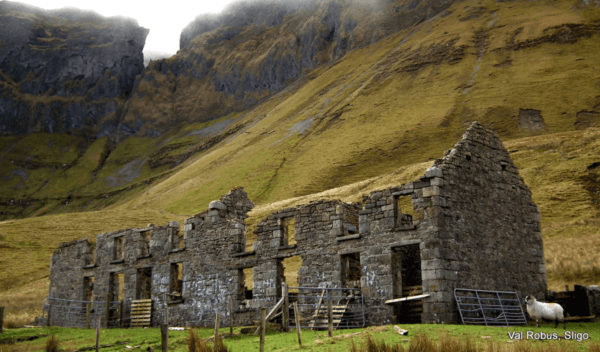
When you get there, you’ll notice a 19th-century mill that marks the beginning of the drive to the attraction.
Diarmuid and Grainne’s cave, perched high above, is the main attraction and the supposed resting place of the legendary couple who feature largely in Irish mythology.
Within Easy Distance of Sligo Town
Strandhill
While you’re visiting Sligo, don’t forget to visit Strandhill, about 5 miles/8 km outside of Sligo town. The award-winning town has grown quite a bit in the last 20 years, with the addition of some cool new restaurants and eateries.
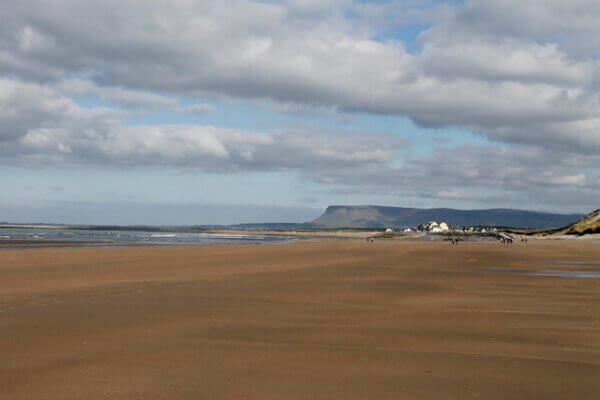
While the beach at Strandhill isn’t suitable for swimming due to its strong currents, it is a popular surfing destination. And even if you’ve never picked up a surfboard in your life, there are plenty of opportunities to learn.
The Strandhill Lodge Hotel & Surf School serves as both accommodation in the town and offers surf lessons. The Strandhill Surf School also offers surf lessons for different abilities.
There are numerous walks you can take along the beach, including a 90-minute trek to the nearby Culleenamore beach.
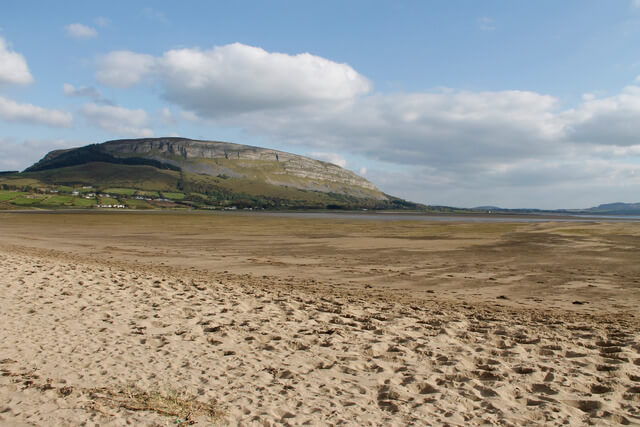
Sligo Walks is a good resource while visiting Sligo, offering information on waymarked routes, coastal paths, and mountain hikes throughout the county.
For some relaxation in Strandhill, check out Voya Seaweed Baths.

This is not the oldest seaweed bath facility in Sligo (Kilcullen’s Seaweed Baths in Enniscrone holds that title), but it does offer amazing services, including relaxing seaweed baths and a number of facial treatments.
Experience the 7-Day Wild Atlantic Way Experience Small Group Tour with Tourradar
Where to Eat and Drink in Strandhill
Strandhill has a lot to offer when it comes to entertainment.
The Strand Bar is a lively spot. You’ll find traditional Irish music sessions every Wednesday night and live bands at the weekend.
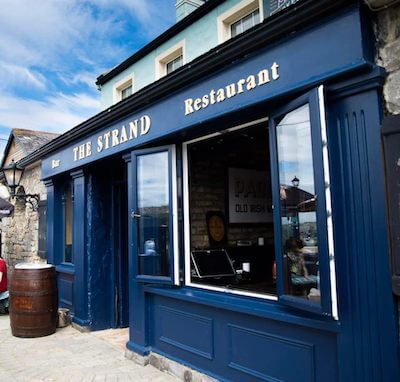
The Strand has an old-world charm about it, with snugs, a turf fire on cold days, and other nooks and crannies to explore. You can order food at the bar if you like.
Favorites include the Guinness Beef Stew for €18.50 and the Seafood Chowder for €12. You’ll also find a variety of sandwiches/toasties and paninis/wraps available as well, not to mention burgers, salads, and a menu for kids.
Knocknarea, Queen Maeve’s Mountain
Visiting Sligo would not be complete without climbing Knocknarea (pronounced “Knocknaray”), Ireland’s mythical mountain.
Legend has it that Queen Maeve, who once ruled this part of the world around the year 50 BC, is buried inside the 40-foot cairn in an upright position, and in full battle gear!
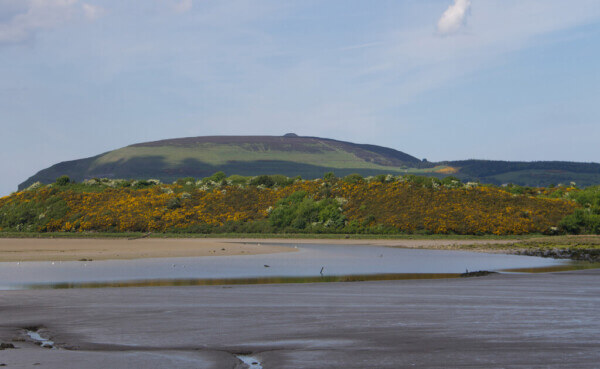
Of course, nobody knows for sure if Maeve even existed, but along with other mythical heroes in Irish culture, hers makes for a great story.
The Queen Maeve Trail will take you up the northern slopes of the mountain. There are over 500 steps leading to the summit and several places where you can find out more information.
The 2-hour walk is relatively easy. On a clear day from the top, you can see Counties Mayo and Donegal.
Coney Island
In between Rosses Point and Benbulben to the north and Strandhill and Knocknarea to the south lies an island called Coney Island.
Not to be confused with the Coney Island in New York, this one in Sligo is also well worth a visit.
You can get there by boat from the pier at Rosses Point, but you can also drive there.
You’ll want to time it right, though. Your journey will be marked out for you by 14 stone pillars that are exposed only when the tide is low. Follow these for about 3 miles/5 km until you reach the island.
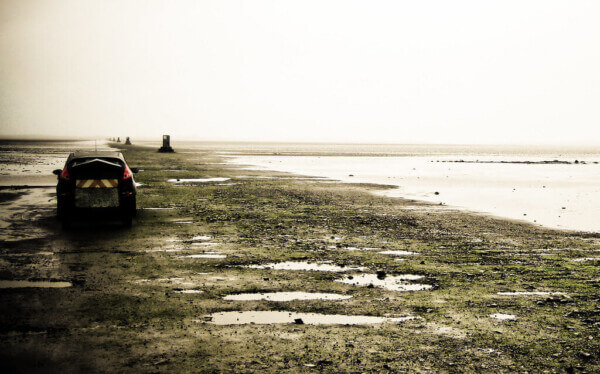
It’s actually a fun way of getting to Coney Island, known for its many rabbits. Just make sure to come back before the tide begins to rise again.
The island is a haven of beauty and solitude. It’s a must if you’re in the area. You can explore old dwellings and imagine the island when it was more heavily populated.

In 1862, it had 124 residents.
Don’t forget a visit to the only pub on the island, Michael J. Ward’s.
South and West Sligo
You’ll experience so much in this region while visiting Sligo, including seeing examples of Neolithic history and experiencing Sligo’s rich musical tradition. Below is a sampling of what awaits.
Carrowmore Megalithic Cemetery
Sligo is home to the largest and oldest collection of stone circles and dolmens in Ireland. They can found at the Carrowmore Megalithic Cemetery, about a 10-minute drive from Sligo town.
About 60 monuments can be seen at the site, which predates the more widely-known Newgrange in County Meath.
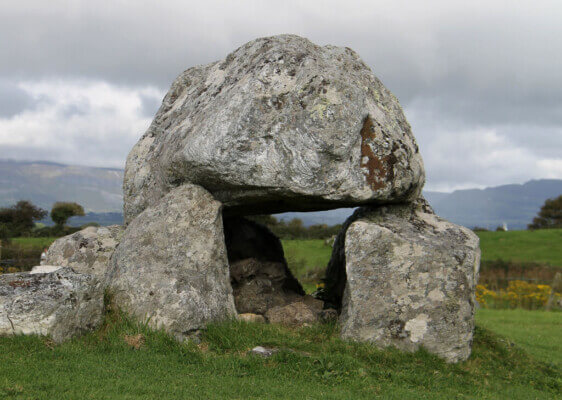
The site has attracted believers in the mystical and others who are curious about the ancient people of Ireland.
You can find more information in the nearby visitor center.
Pricing/Opening Times:
- Adult: €5
- Seniors/Groups: €4
- Children/Students: €3
- Family: €13
- Hours: From mid-March-beginning of November, 10 a.m. – 6 p.m.; limited access for wheelchair users.
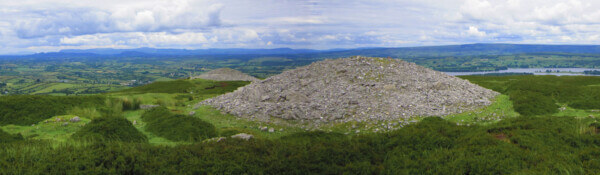
The Carrowkeel Passage Tombs, about 20 miles/32 km away, is also worth a visit. The site, which includes 14 cairns, dolmens, and the remains of other gravesites, dates from the late Stone Age.
There is no visitor center at Carrowkeel, which means that it is absolutely free.
This spectacular site overlooks Lough Arrow and the South County Sligo countryside. Be sure to stop here if you have the time.
Try Ancestry.com for Free (14-Day Trial)
The Caves of Kesh
Remnants of the Ice Age are evident in another part of Sligo near the town of Ballymote, commonly known as the Caves of Kesh.
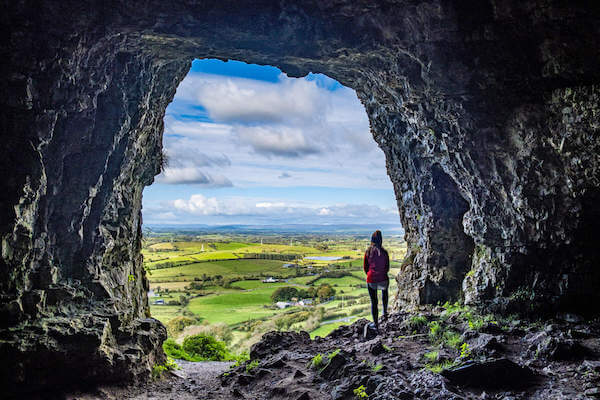
The 17 caves, sometimes called the Caves of Keash or the Caves of Keshcorran, are Ireland’s most striking caves and from afar, look like huge black holes in the mountain.
The region is associated with Irish folklore as Fionn and the Fianna are said to have hunted in the area.
Archaeologists discovered 20 ring forts in the area as well as the remains of human teeth carbon-dated to the Iron Age, suggesting that an ancient community of people may have lived near the caves at one time.
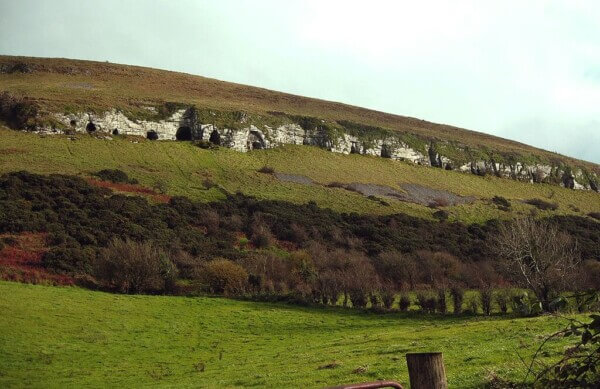
The caves overlook the village of Keash, not far from the town of Ballymote.
If you want to explore this area, you can park your car at the bottom and then make your way up to the caves via a steep uphill walk. Be sure to wear the proper footwear.
Because this is not an officially managed attraction, I’d be careful when hiking in this area as there are no designated paths and much of the terrain is uneven. The open cave entrances are on uneven ground, so be extra careful there too.
However, if you get safely to the top, the views are most definitely worth it.
Ballymote Castle
A short drive from the caves is the Anglo-Norman Ballymote Castle. Built around 1300, it was once considered the strongest fortress in the West of Ireland.
The castle came under attack several times over the years. In 1498, it was sold to Red Hugh O’Donnell for the princely sum of £400 and 300 cows.
After O’Donnell lost the Battle of Kinsale, it changed hands to Lord Mountjoy, and in 1690, it became the property of Lord Granard, who let it fall into disrepair.
This attraction is free to visit. There is no visitor center, however, so you’ll need to do your own exploration.
Coleman Irish Music Centre
If you have an interest in Irish traditional music, you won’t want to miss the Coleman Irish Music Centre located in the small village of Gurteen.
It is the birthplace of Michael Coleman, the famous fiddler who emigrated to America in 1914.
During the 1920s and ‘30s, Coleman made approximately 80 commercial recordings in America. His body of work had a huge influence on the Irish fiddlers who came after him.

The museum is dedicated to his memory, but it is also a place where you’ll learn about South Sligo’s rich cultural heritage through a variety of interactive touchscreens and audio-visual presentations.
Pricing/Opening Times:
- Adults/Teens/Seniors: €5
- Children (under 12): Free with accompanying adult
- Hours: Monday-Friday: 9:30 a.m. – 5:30 p.m.; closed on bank holidays
- Other Events: The center also hosts music classes, concerts, and special events, which are ticketed separately.
Making your way toward West Sligo, be sure to stop at the Beach Bar in Aughris, a popular thatched bar/restaurant on the edge of Aughris Beach (mentioned above).
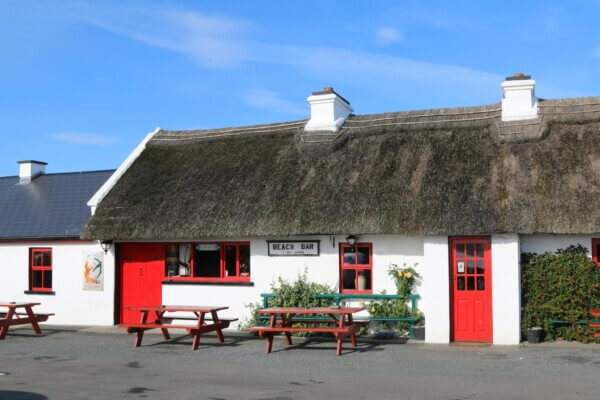
The restaurant serves up a variety of dishes, including several fish plates as well as Beach Bar classics, traditional Irish stew and chicken curry.
Most of the restaurant’s ingredients are locally sourced.
Meals are served each day from noon until 8 p.m.
Take the Ireland Highlights Tour with TourRadar
Easkey
Once a sleepy village, Easkey has come into its own in recent years.
Its reputation as a surfing mecca has enhanced its reputation.
The waves at Easkey break over rocks instead of sand, and as a result, they are hollowed and much faster.
This is not a place for novice surfers.
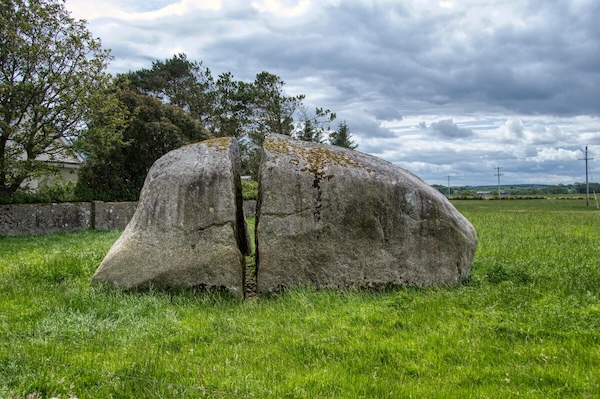
While you’re there, check out Easkey Castle by the shore and the Split Rock, which is located a mile or so outside the village.
The rock is actually a big boulder that has a large space in it.
Local legend says that the rock was split as a result of an argument between two giants on the Ox Mountains, one of whom was Fionn McCool, the Irish mythical hunter-warrior.
Locals also say that if you pass through the middle of the rock three times, it will close in on you, so beware!
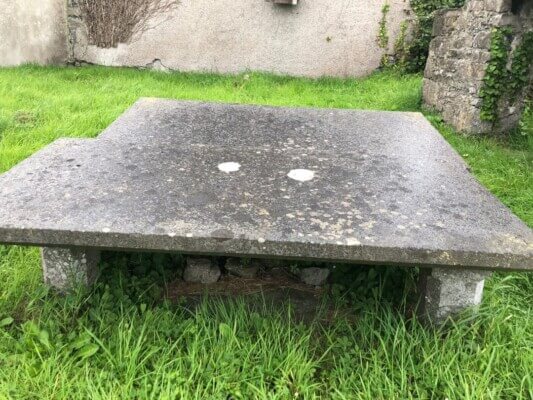
On the village’s main street you’ll find Easkey Abbey.
The graveyard has some unusual tombstones, including box and tabletop graves. There is also a ruined house on the property, possibly a priest’s house with a holy water font inside where local children were baptized.
If you’re looking to pick up an authentic piece of pottery on your travels around Ireland, there’s no better place than Rosie’s Pottery Studio in the heart of Easkey.
Rosie is an Easkey native who has been producing an array of interesting pieces for many years. Be sure to stop by for a look.
Enniscrone
Enniscrone is just a few miles farther south along the coast and a good place to end your adventure when visiting Sligo.

Among the town’s many assets are a beautiful 3-mile-long beach, a century’s old seaweed bathhouse (that’s the one that’s operational; an older bathhouse is pictured above along the shore), and lots of walking paths that highlight the beauty of the Wild Atlantic Way in this part of the country.
Surfing and stand up paddle boarding are among the activities that you can enjoy in Enniscrone, not to mention walking.
Harbour Sup ‘N Sail along with the North West Surf School are the main providers in the town for water-based activities.
Feel like taking a ride out into Killala Bay or as far south to Dun Bríste in County Mayo, contact Enniscrone Boat Tours.
Several tours are available, including 1-Day and 1/2-day sea safaris, in addition to one- and two-hour tours.

Where to Eat in Enniscrone
For such a small town, Enniscrone is blessed with a wide variety of restaurants.
Gilroy’s Bar is a popular pub in town, but there is also a great restaurant downstairs called Áit Eile (meaning “The Other Place”) that you should check out. There’s a variety of starters to begin with, as well as pasta dishes, main courses, burgers, and a great selection of pizzas.
After a long day of sightseeing, Gilroy’s is a great place for a drink and a bite to eat, all under the same roof!
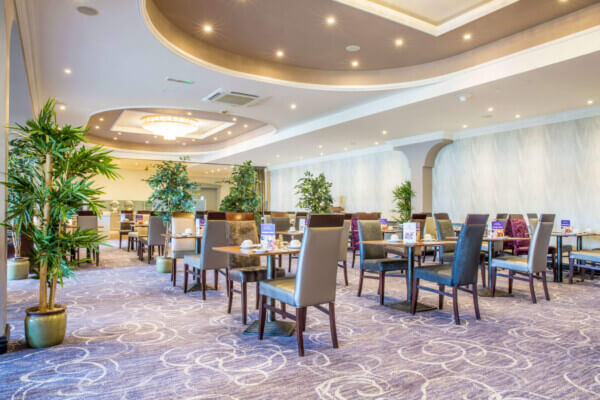
The Diamond Coast Hotel recently renovated its dining room and its rooms, so there is a lot on offer here.
The hotel serves food in its Coral Restaurant, Stir Bistro, and Inishaven Bar.
You’ll find great eats at the Onyx Bistro in The Ocean Sands located on Enniscrone’s Main Street. Enjoy the great views of the ocean below from the dining room and consider staying a night if you intend to stick around for a while in Enniscrone.
Other restaurants/eateries in Enniscrone include The Pilot Bar, The Spicy Affair Indian restaurant, and the Waterfront House & Restaurant, which is also a B&B.
FAQs About Visiting Sligo
Is Sligo worth visiting?
Yes, Sligo is one of Ireland’s most underrated destinations. Located along the Wild Atlantic Way in northwest Ireland, it offers dramatic mountain scenery, Atlantic beaches, ancient archaeological sites, and deep literary connections to W.B. Yeats. Less crowded but just as scenic as other popular places in Ireland.
How many days do you need in Sligo?
Most visitors should plan to spend 2 to 3 days in Sligo, but you could easily spend 4-5 or more days exploring.
Can you visit Sligo without a car?
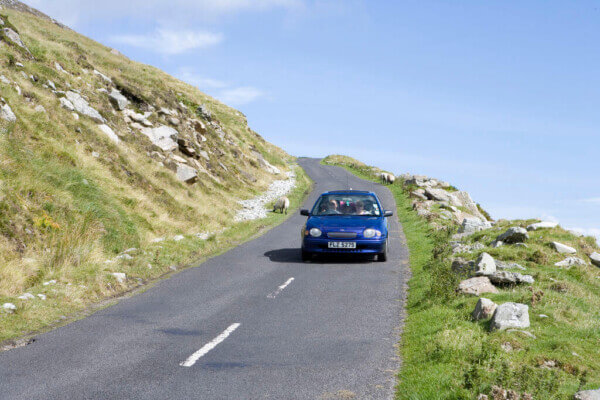
You can visit Sligo town without a car, as it is walkable and well served by trains and buses from Dublin and other major cities. However, to fully explore County Sligo, you’ll need a rental car.
What is Sligo famous for?
Most notably, the poet WB Yeats, which is why it’s often called “Yeats Country.” But the unusually shaped Benbulben mountain and Knocknarea, where the mythical Queen Maeve is said to be buried, are huge attractions for visitors.
What is the best time to visit Sligo?
The best time to visit Sligo is May through September, when days are longer and most attractions are open. The weather is better too – generally speaking.
Is Sligo expensive?

Sligo is generally more affordable than Ireland’s most popular tourist destinations. Many of the best things that have been mentioned in this article are free (hiking Knocknarea is just one of them). Accommodation and dining tend to be cheaper, making Sligo a good value destination.
Is Sligo good for hiking?
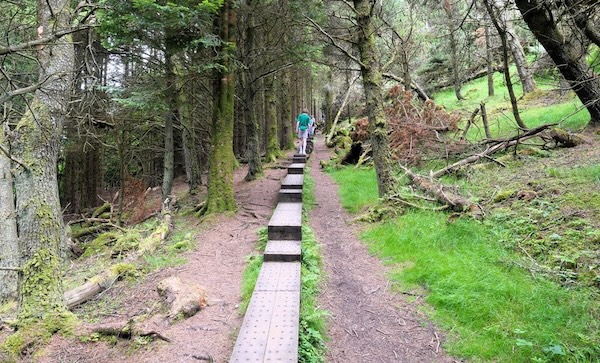
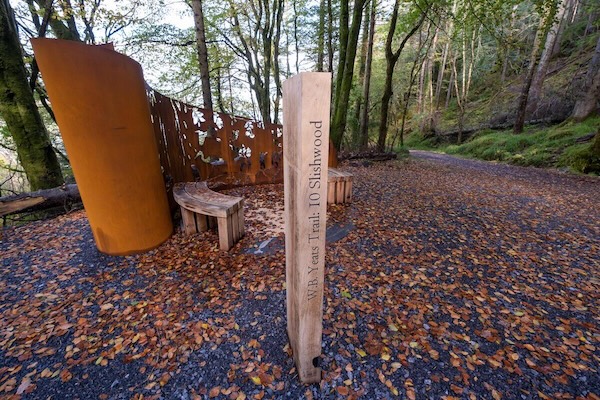
Yes, Sligo is excellent for hiking. Popular options include The Queen Maeve Trail, the Benbulben hike mentioned above, walks around the Gleniff Horseshoe, Hazelwood Forest, several coastal trails, as well as The Yeats Trail, which can be completed by car or on foot.
Is Sligo good for surfing?
Yes, but it’s more for intermediate and advanced surfers given the strength of the waves in places like Mullaghmore and Easkey. The opening of a state-of-the-art surf center in Strandhill is evidence that Sligo ranks among the top places in the world for surfing enthusiasts. There are lessons available in Strandhill and Enniscrone during the summer months, however, and they have been listed above.
Have you thought about visiting Sligo? Let me know in the comments below.



Thanks, this is very useful. Just wondered if Co sligo can be done by public transport. I’ve got an old car and travelling from Cork. Thanks. Paula
It’s doable, Paula. But will take a bit of planning as you will be taking buses.
We’re planning a trip to Co. Sligo in ‘25, as well as a couple more less touristy areas. We were wondering if you would share some of the local’s favorite places to eat besides where you’ve listed. This will be our 10th trip to your beautiful country, and as we are seniors now, we’re curious to know which walks and walking tours are a bit easier, yet still a little challenging. We’re very excited to find your blog, because there isn’t much written in the guidebooks if you’re not going to Dublin or Cork. Thank you!
Oh absolutely, Lynn. I will drop you an email and give you some suggestions.