Mark Doherty: Connect the Dots Tours of Ireland
This feature is part of an ongoing series where I highlight trusted members of my networks from the Ireland Travel Planning Tips Facebook Group. These tourism professionals are passionate about helping you experience Ireland in a more authentic and stress-free way.
Before establishing Connecting the Dots Tours in 2019, what led you into the world of guiding?
 You could say that tourism is in my DNA. I was raised in my mother’s B&B, and my earliest memories are of our kitchen filled with travelers from every corner of the globe. I’d sit there wide-eyed, listening to stories about the Egyptian Pyramids and the Grand Canyon before I’d even left my front door.
Between 2007 and 2019, I “earned my stripes” in the industry. I did it all: from high-energy adventure tours to the “big bus” circuits with 20+ passengers and grueling day-trip marathons.
Those years were my education; they taught me exactly what I didn’t want to do. I realized that the real magic only happens in small groups—16 people or fewer—where the conversations are real and the connections are deep.
How have your past travels around the world shaped your approach to travel?
Travel has defined my life.
Between my mid 20’s and mid 30’s, I travelled to over 50 countries and all seven continents. In fact in 2010, I became the first Irish person to pedal a bicycle around the world. When you see the world from a saddle, you notice the details that people in a bus window miss entirely.
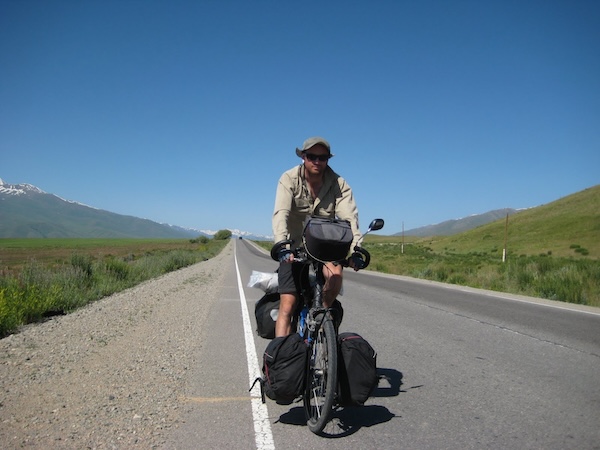
That journey taught me the “science” of a great experience: timing and perspective. I learned that even the most famous wonders of the world lose their magic if you’re staring at the back of someone’s head in a crowd.
I brought that obsession home to Ireland. My goal is to hit the busiest sites at the quietest times and find the quiet glens that haven’t made it into the guidebooks yet.
You focus on “connecting the dots” rather than just ticking off sights—what does that mean for your guests?
It means moving past the “postcard” version of Ireland to understand the story beneath the surface. It’s the difference between looking at a landscape and understanding how its geology shapes its people, or how a specific historical event inspired the music you’ll hear in the pub that night.
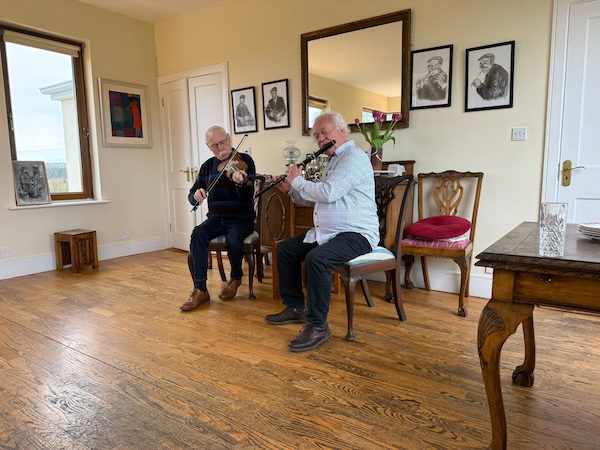
We provide the invisible threads. Whether it’s sitting in a circle for a private conversation in Belfast or entering a private home in Doolin for songs and storytelling, our guests don’t just “see” Ireland—they are finally introduced to her.
Your tours emphasize a slower, more thoughtful pace. Why is that important?
You can’t hear the heart of Ireland at 100km/h.
Based directly on feedback from our past travelers, we prioritize “the pause.” Most of our itineraries feature two-night stays in places like Donegal, Westport, and Dingle. This allows our guests to wake up to the local rhythm and meet the pub owner twice.
For 2027, we are even concluding our journeys with two nights at the Fota Island Resort in Cork, ensuring our guests finish their trip feeling immersed and restored, rather than rushed.
For those choosing between a small group and a large coach, what are the biggest advantages?
In Ireland, 16 is the magic number. A 16-seater minibus can go where a large coach cannot. We navigate narrow coastal lanes, park at tiny artisan cafés, and stay in boutique hotels in the heart of small villages.
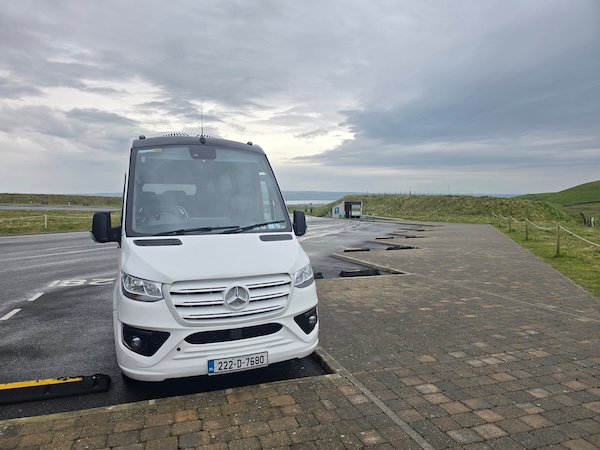
Beyond the vehicle, it’s about intimacy over logistics.
On a large tour, you spend hours “herding cats” at every stop. In a small group, movement is effortless. We trade that “logistics time” for exclusive experiences, like private falconry or castle tours. Most importantly, we have flexibility. If you spot your ancestral surname on a pub sign, we don’t just drive past—we stop.
Can you share a couple of lesser-known places that you love introducing to your guests?
The “Wild” Alternative: Everyone knows the Cliffs of Moher, but I prefer the Slieve League Cliffs in Donegal. They are three times higher, far more rugged, and you’ll often have the view entirely to yourself.
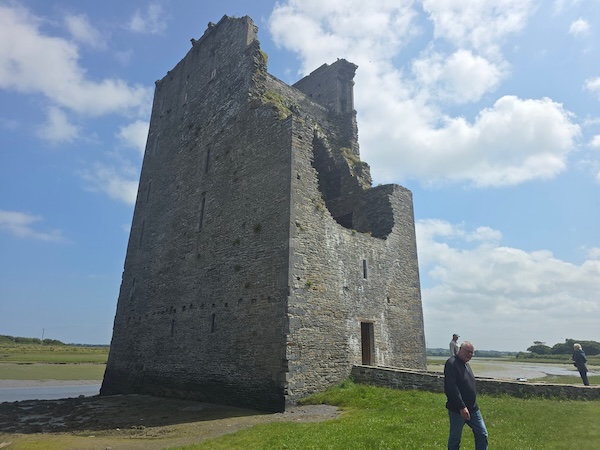
The Hidden Gems: We love taking guests to the “Off the Beaten Path” locations, like the mist-covered Glencar Waterfall in Leitrim or the architectural ruin of Carrigafoyle Castle in North Kerry.
The Deeper Story: We go “off-grid” in Ardara to meet a traditional weaving family in their workshop to see how ancient crafts survive in a modern world.
How do you ensure an Ireland trip lives up to the “once-in-a-lifetime” expectation?
With over 500 five-star reviews, we know our guests arrive with high expectations. We meet them through a thousand small, well-judged decisions. It starts with our guides—all of whom have at least 10 years of experience—and continues with meticulous planning.
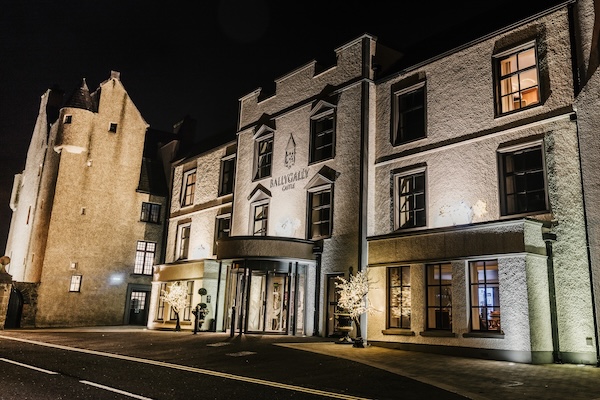
We visit the busiest sites during their “quiet windows” and secure the best rooms, like sea views in Ballygally Castle. It’s about ensuring the quality of the experience never dips, from the first coffee of the day to the last drink at night.
What’s your top piece of advice for travelers who want an authentic experience?
Decide if you want to see the painting or talk to the artist. If you want pretty vistas and total independence, a rental car is great. But if you want to get under the skin of a place—to understand why things are the way they are—a guided experience is far superior. A GPS can find you a road, but it can’t find you a story.
How far in advance should people start planning, and how can they contact you?
Most of our bookings arrive between Thanksgiving and Christmas for the following year. Getting in touch 6–9 months in advance is ideal. By July, we are typically fully booked for the season.
The best way to reach me is at [email protected]. Even if we are fully booked, I’m always happy to point travelers toward another high-quality, genuine small-group provider. In Ireland, we look after each other.